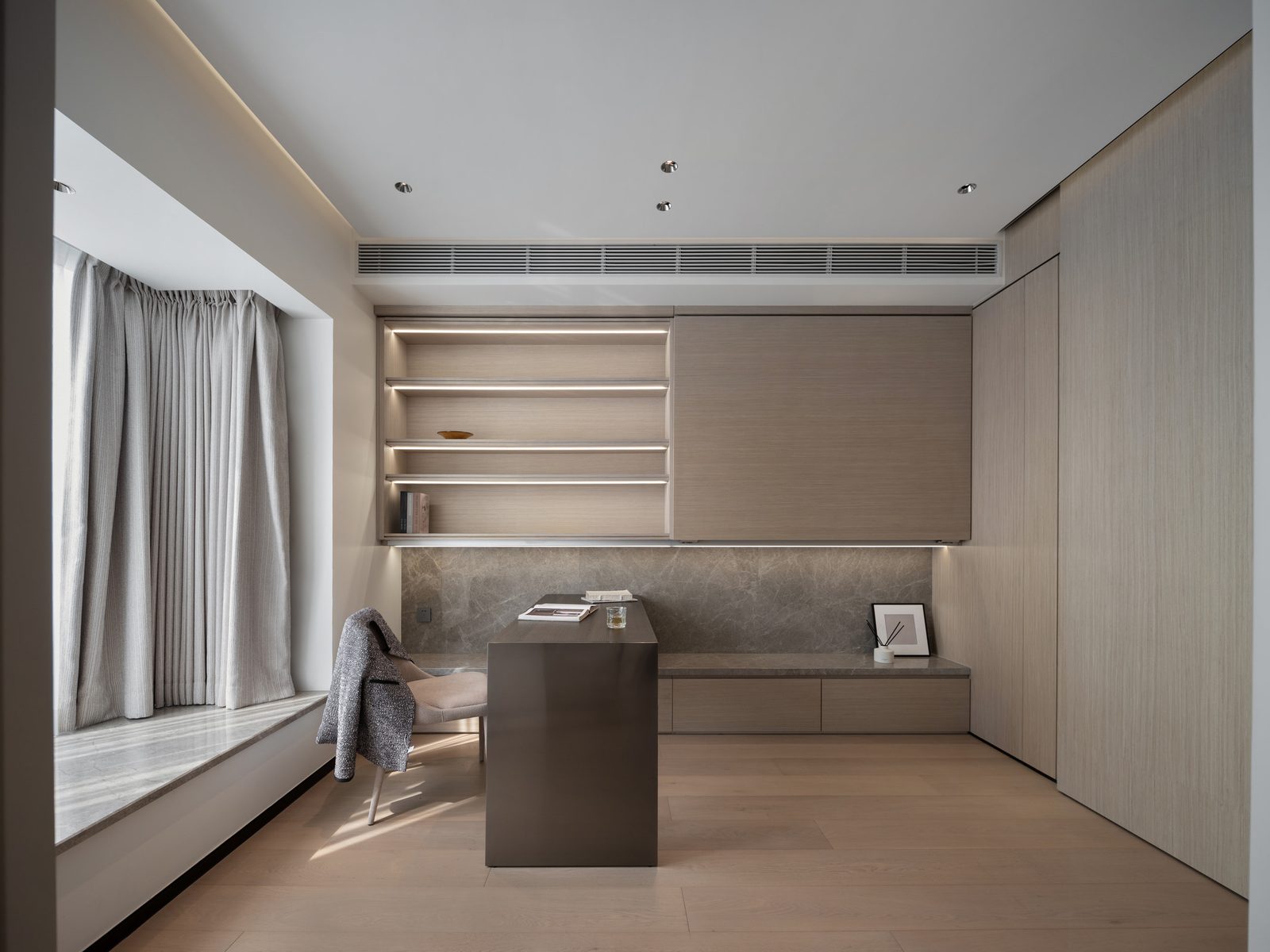
For an interior designer, the right maker is part of the toolkit. A workshop that can build precisely to your drawings — at factory-direct value — lets you deliver a signature interior with the margin and control that off-the-shelf sourcing rarely allows. Increasingly, that maker is a Chinese atelier.
Sourcing bespoke furniture and fitted interiors from overseas is not difficult, but it does reward a professional method. This guide sets out how to brief, specify and manage a custom project with a Chinese workshop so that what arrives matches what you drew.
Why Designers Work Directly with a Maker
Going straight to the workshop changes both the economics and the creative control of a project:
- Margin. Factory-direct pricing leaves room for a healthy design fee without inflating the client's budget.
- True customisation. Pieces are built to your dimensions, materials and details — not adapted from a range.
- Single accountability. One maker responsible for furniture, cabinetry and fitted elements keeps quality and timing consistent.
- Coherence. A whole scheme made in one workshop shares the same hand, finish and standard across every room.
Start with a Clear Brief
Every successful custom project begins with a good brief. The more precisely you define the work up front, the more accurate the quote and the fewer revisions later. A strong brief usually includes:
- Room type and intended use for each area.
- Site location or destination market, which can affect materials and compliance.
- Plans, elevations or key dimensions — even rough drawings help enormously.
- Reference images and preferred direction — the look, mood and materials you are aiming for.
- Required products and quantities.
- Colour and material preferences.
- Any technical or regulatory requirements.
- Your target schedule.
A custom enquiry can begin with something as simple as a reference image, a drawing or a room plan. From there, a capable atelier works with you toward a resolved specification.
Specify Like a Professional
Once the brief is agreed, the detail is where quality is won or lost. Focus a specification on the things that define the finished result: form and proportion, key dimensions, material and colour direction, visible detailing, and the deliverables you expect. Treat colour, grain, sheen, edge profile and hardware as decisions to be made together, not in isolation.
Confirm every point in writing. Reputable workshops expect this and will document the agreed specification before anything is built.
Samples, Prototypes and Quality Control
For a project of any significance, insist on seeing the work before it ships. A confident atelier will provide material samples and, where appropriate, a prototype so you can approve the feel and construction. Final selections are best confirmed against physical samples or agreed references rather than screen images. During production, the workshop should run its own quality control and be willing to share progress photos — a supplier reluctant to show work in progress is a warning sign.
Timelines and Logistics
Plan realistic time into your programme. For considered, made-to-order work a sensible expectation is around two months of production, plus shipping to your country. Because a good maker handles export packing and freight as routine, coordinate the delivery method and route around your installation schedule rather than rushing the craft. Share your key site dates early so production can be sequenced to meet them.
Communication Is the Whole Game
More than anything, a cross-border project lives or dies on communication. Before you commit, notice how clearly and quickly a workshop answers your questions — responsiveness before the sale reliably predicts responsiveness during production. Aim for a single, consistent point of contact who understands the whole project, and keep decisions documented as you go.
Building a Long-Term Partner
The real prize for a designer is not a single order but a dependable partner — a workshop you can return to, project after project, knowing the standard will hold. That relationship turns overseas manufacturing from a risk into one of your most valuable resources.
Meimi&H works with designers and private clients on bespoke furniture and whole-home interiors, taking projects from first reference to resolved specification and finished, install-ready pieces. Built in our Foshan atelier and shipped worldwide, our work is made to your drawings — and to a standard you can build a practice on.
If you're planning a bespoke piece or a whole-home interior, we'd love to hear about it.