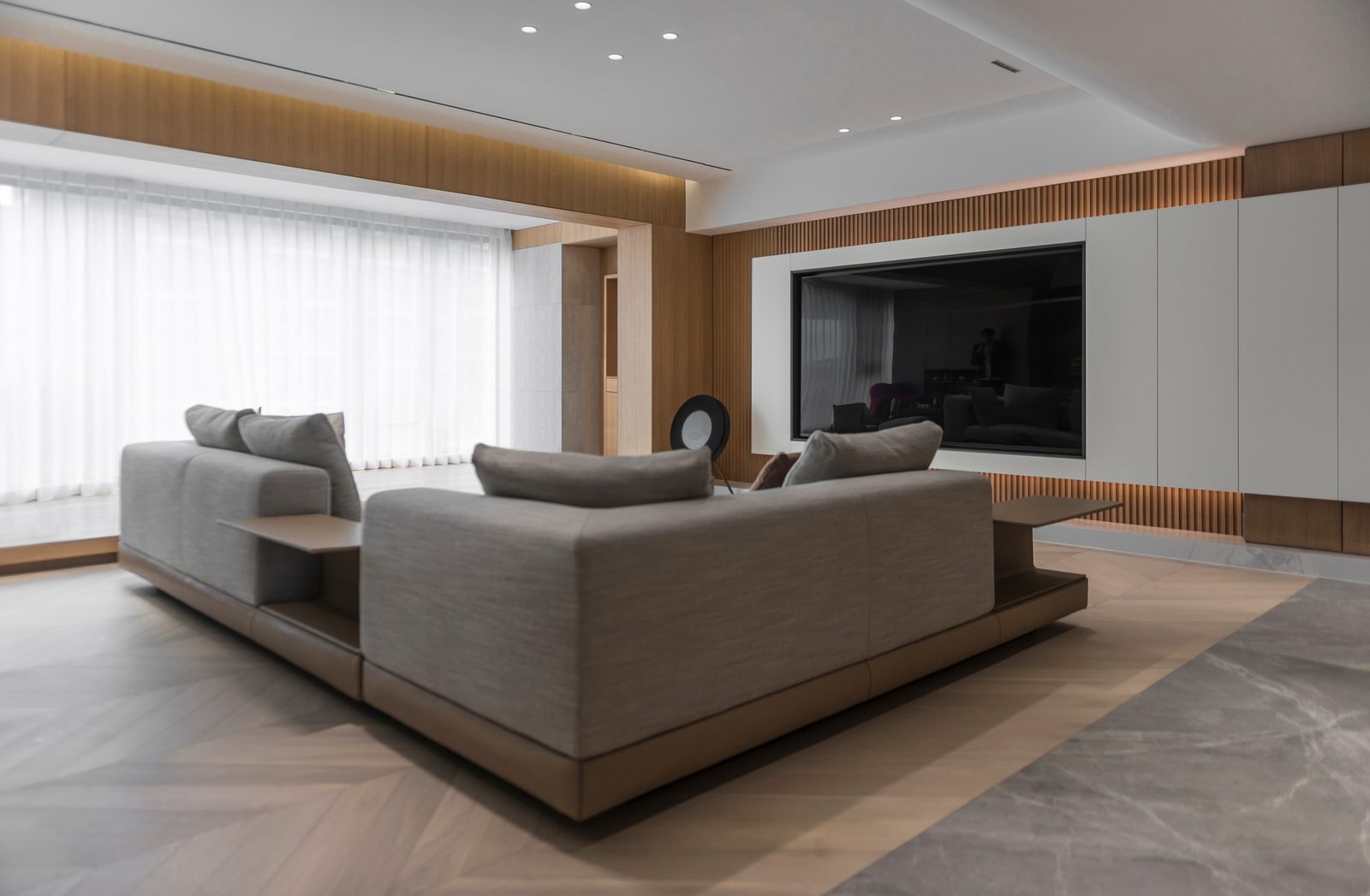
Foshan is not a household name the way Milan or Copenhagen are, yet it is one of the most important furniture-making places on earth. Tucked into Guangdong province in southern China, this single region produces an extraordinary share of the world's furniture — from mass-market flat-packs to the quietly luxurious pieces sold under famous European labels.
For anyone considering furniture made in China, it is worth understanding why so much of it comes from here, and what that concentration of skill means for the quality and value you can expect.
A Long Heritage of Making
Foshan has been a manufacturing city for centuries, long known for ceramics, metalwork and craft trades. Over the past few decades that making culture turned decisively toward furniture, and the region built up a depth of expertise — in joinery, upholstery, finishing and materials — that is difficult to replicate anywhere else.
The result is not a single giant factory but a dense landscape of workshops, from large production plants to small specialist ateliers, all working within the same ecosystem.
A Complete Ecosystem in One Place
What sets Foshan apart is that almost everything a furniture maker needs sits close at hand. That proximity is the region's real advantage:
- Materials on the doorstep — timber, stone, foam, metal, fabrics and leathers from specialist suppliers nearby.
- Specialist workshops — dedicated makers for frames, upholstery, cabinetry, stone and metalwork, each expert in one craft.
- Deep skilled labour — generations of craftspeople who have grown up around furniture-making.
- Hardware and finishing — fittings, mechanisms and finishing services all within reach.
- Export infrastructure — packing, freight and logistics geared to shipping worldwide.
When every part of the process is local, quality is easier to control and value is easier to deliver. The same piece that would carry several layers of markup elsewhere can be built to a high standard and sold closer to its true cost.
Craft Meets Scale
Foshan's reputation for volume sometimes obscures a more interesting truth: the region is equally home to serious craftsmanship. The best workshops combine industrial capability — precision, consistency, capacity — with genuine handwork: the tufting, stitching and finishing that machines cannot do.
It is precisely this combination that draws so many respected international brands to produce here, often quietly. The craft is mature, the materials are excellent, and the makers know how to work to an exacting brief.
What Foshan Means for You as a Buyer
For an international buyer or designer, sourcing from Foshan offers a clear set of advantages:
- Factory-direct value — working near the source removes the markups added along a traditional retail chain.
- Breadth of capability — almost any material, style or configuration can be made, from a single sofa to a whole-home interior.
- Real customisation — established makers build to your specification rather than adapting a catalogue piece.
- Export experience — workshops here handle international packing and shipping as routine.
The one caveat is that not every workshop is equal. Foshan's scale means the full range of quality exists side by side, so the region's advantages are only fully realised when you choose an established maker with a real track record, transparent communication and genuine export experience.
From Foshan, to the World
The furniture capital most people have never heard of is exactly why so much fine, well-priced furniture reaches homes around the globe. Understanding where a piece is made — and the ecosystem behind it — turns a leap of faith into an informed decision.
Meimi&H is a Foshan atelier built on two decades of furniture craftsmanship. We began as a factory and, in 2020, opened a dedicated company to bring that workshop directly to clients worldwide — from a single custom piece to a complete interior, made here and shipped to you.
If you're planning a bespoke piece or a whole-home interior, we'd love to hear about it.